The Valley on Tap: Your Insider Guide to a Roaring Fork Brewery Crawl
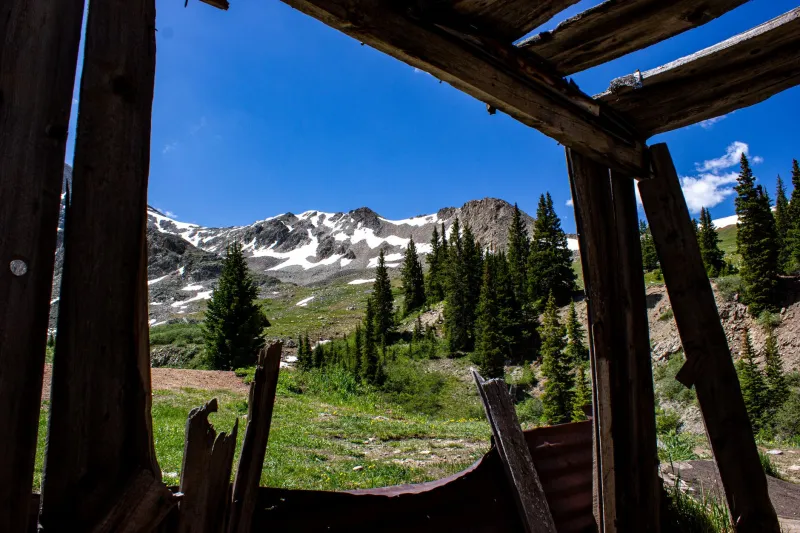
People have been making pilgrimages to the Roaring Fork Valley for a long time. Skiers chasing powder at Aspen Snowmass. Fly fishers working the Crystal River. Hikers threading their way through the Maroon Bells Wilderness. But there's a newer kind of traveler showing up these days — one carrying a tasting journal instead of a trail map, planning their days around tap handles instead of chairlifts.
Beer tourism is real, it's growing, and the Roaring Fork Valley is quietly becoming one of Colorado's best destinations for it. Here's how to do the trip right.
Why This Valley Works So Well for a Beer Trip
Most great beer destinations are cities. Denver, Asheville, Portland — places where you can hit six breweries without moving your car. The Roaring Fork Valley is different. It's a 40-mile corridor that runs from Glenwood Springs up through Carbondale and Basalt to Aspen, and the drive between towns is genuinely part of the experience.
You're not sitting in traffic between stops. You're rolling through canyon country, past the Colorado River, through small Western Slope towns that feel nothing like anywhere else in the state. The scenery gives you something to talk about when you sit down at the next taproom. It makes the whole thing feel less like a pub crawl and more like an actual journey.
Add in the fact that many of these breweries are pulling from the same mountain water sources, growing or sourcing local ingredients, and brewing at elevations that genuinely affect how beer behaves — and you start to understand why the beers taste the way they do. The Valley has a flavor, and you can drink it.
Building Your Itinerary: How to Structure the Days
Day One: Start in Glenwood, Settle In
If you're coming from the Front Range or flying into Eagle County Regional Airport, Glenwood Springs makes sense as your entry point. It's the most accessible end of the valley, and it's got enough going on to justify a full day before you even start thinking about beer.
Spend the morning at Glenwood Caverns or take the gondola up Iron Mountain for views that'll recalibrate your sense of scale. Then ease into the afternoon at one of the local taprooms before grabbing dinner somewhere along Grand Avenue. Glenwood is unpretentious and welcoming — a good place to decompress after travel and get your bearings before the real exploration begins.
Day Two: Carbondale and Basalt — The Sweet Spot
This is the heart of the crawl for a lot of visitors, and it's easy to see why. Carbondale and Basalt sit close enough together that you can move between them without much effort, and both towns have a creative, slightly offbeat energy that shows up in their beer cultures.
Carbondale in particular has developed a reputation as one of the most interesting small towns in Colorado — arts scene, farmers market, genuinely good restaurants. Spend a morning exploring before hitting the taprooms in the early afternoon. Basalt's downtown is compact and walkable, with the Frying Pan River running through it and enough charm to make you wish you'd booked an extra night.
Pro tip: Thursday through Saturday is when most taprooms in this stretch run their best programming — live music, food trucks, seasonal release events. Plan accordingly.
Day Three: Aspen and the High Country
Aspen has a reputation that sometimes overshadows what it actually is: a mountain town with serious outdoor culture and a surprisingly approachable local scene once you get past the resort-facing stuff. The beer scene here reflects that — less about spectacle, more about quality and place.
At Roaring Fork Beer Co., we've designed our taproom to be a genuine gathering spot for locals and visitors alike. Come in, try a flight, ask the bartender what's fresh. We rotate seasonals frequently, and there's almost always something on tap that you won't find anywhere else in the state — sometimes because it's a limited collab release, sometimes because it's a high-altitude experiment that only works at 8,000 feet.
Before or after your taproom visit, the outdoor options are obvious and spectacular. The Rio Grande Trail runs right through the valley and is perfect for a morning bike ride. The Maroon Bells are a short drive and worth every mile. In winter, you're fifteen minutes from some of the best skiing in North America.
What to Look for at Each Stop
Good beer tourism isn't just about checking boxes. It's about actually paying attention to what you're drinking and why it tastes the way it does. A few things to ask at every taproom:
- Where does your water come from? In the Roaring Fork Valley, the answer is almost always mountain snowmelt, and it shapes everything.
- What's local in this beer? More and more valley breweries are working with Colorado farmers for hops, grain, and specialty ingredients. Ask about it.
- What's the elevation doing to this beer? Carbonation, fermentation behavior, boil points — altitude affects all of it. Brewers love talking about this if you give them the opening.
Pacing Yourself (Seriously)
This one's important. High altitude and alcohol are a combination that sneaks up on you faster than you'd expect, especially if you've just driven up from Denver or flown in from sea level. Drink water. Eat food. Take breaks. The mountains will still be there after your second pint.
Most taprooms in the valley are genuinely happy to pour you a small taste before you commit to a full pour. Use that option. It's not just for the indecisive — it's smart drinking.
Making It a Real Trip
The Roaring Fork Valley rewards slow travel. If you try to hit everything in a single day, you'll miss the thing that makes this place worth visiting — the feeling of being somewhere that has its own distinct character, its own pace, its own way of doing things.
Book two or three nights. Walk around. Talk to people. Let one good beer lead to a conversation that leads to a dinner recommendation that leads to a trail you wouldn't have found otherwise. That's the trip.
And when you end up at our taproom on day three, road-weary and happy and ready for something cold and interesting — we'll be here.