Pouring Local: How Small Breweries Are Winning Back America's Taps One Handle at a Time
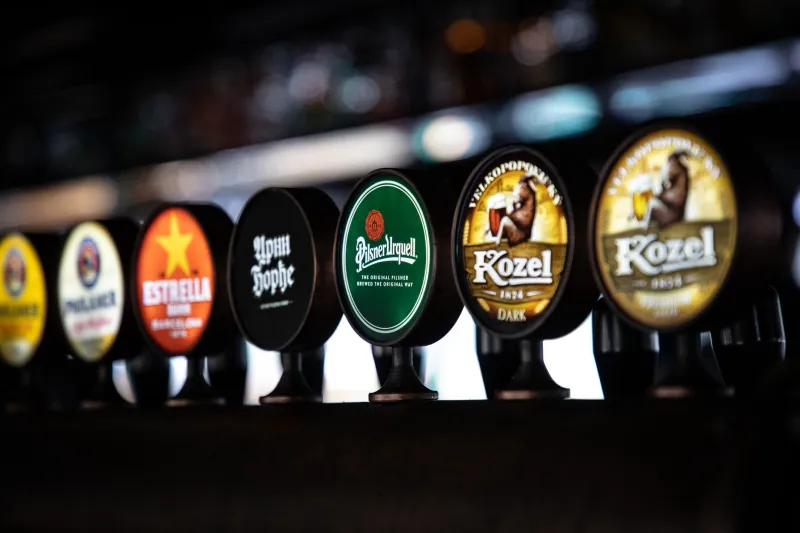
Walk into most American bars fifteen years ago and you'd find a tap wall that looked pretty much the same coast to coast—a rotation of mass-produced lagers, maybe a token "craft" option that turned out to be owned by one of the same three global beverage corporations anyway. That landscape is shifting, and not quietly. Local breweries are showing up, staking their claim on the bar rail, and in many cases, they're staying there.
At Roaring Fork Beer Co., we've watched this shift play out in real time right here in the Roaring Fork Valley. And we've had a front-row seat to what it actually takes to earn—and keep—a tap handle in a competitive market.
The Tap Handle Is More Than a Marketing Tool
There's a common misconception that landing a tap handle at a bar is purely a sales transaction. You make a call, drop off a keg, and the relationship ends there. The breweries that think that way don't tend to hold those handles for long.
For us, every placement is a partnership. When a Glenwood Springs restaurant puts our Pale Ale on their draft list, they're trusting us to represent their establishment. That means showing up consistently—with fresh beer, with staff education, with the kind of follow-through that a regional sales rep from a national brand simply can't replicate. We can be there. We can answer the phone. We can swap a keg that's been sitting too long before it becomes somebody's bad first impression.
That proximity is the small-brewery superpower, and it's one the conglomerates genuinely cannot buy.
Navigating the Distributor Maze
Let's be honest about something: the three-tier distribution system in the United States was not designed with small breweries in mind. Brewer sells to distributor, distributor sells to retailer, retailer sells to you—it sounds clean on paper, but the reality involves navigating relationships, shelf-space negotiations, and portfolio priorities that often favor whoever moves the most volume.
For a brewery our size, that means being intentional about who we partner with on the distribution side. We've prioritized working with distributors who genuinely believe in the local craft story, not just distributors who will throw our cans in a warehouse and forget about them. That distinction matters enormously when a bar owner is deciding which rep's call to return.
It also means doing some of our own legwork. Our team regularly visits accounts, talks to bartenders, and asks the simple question: how's the beer selling? That feedback loop—direct, fast, and honest—gives us the agility to respond in ways that a brand managed from a corporate office two thousand miles away simply can't match.
Why Bars Are Ready to Listen
Something interesting has happened with bar and restaurant owners over the past decade. They've started to realize that their tap selection is part of their identity. A bar in Aspen that serves exclusively macro lager is making a statement, and increasingly, it's not a statement their customers find compelling.
Drinkers today—especially in mountain towns where outdoor culture, local sourcing, and authenticity carry real weight—want to know where their beer comes from. They want to order something they can't get at an airport. That appetite creates an opening for breweries like us to have genuine conversations with account owners about what their customers actually want.
We've had bar owners tell us that swapping one of their macro handles for a local craft option was one of the best business decisions they made. Not because we pressured them into it, but because their regulars noticed, asked questions, and came back specifically for that beer.
The Cultural Anchor Argument
Here's the bigger picture: when a local brewery holds taps at the restaurants and bars in its community, it's doing something that goes beyond commerce. It's weaving itself into the social fabric of that place.
Think about what it means for a visitor to sit down at a Roaring Fork Valley bar and see our name on the tap list. It tells them something about where they are. It signals that this is a place with a distinct identity, a local food and drink culture worth exploring. That's not something any amount of national advertising can manufacture.
And for the people who live here year-round? Seeing a beer they know, made by people they might actually run into at the farmers market, changes the experience of having a drink. It makes it feel like part of something larger than a transaction.
Competing Without Outspending
We're not going to pretend the competition isn't real. Big beer has marketing budgets that could fund a small municipality, and they use them aggressively. Branded glassware, sponsored tap handles, promotional deals tied to volume commitments—these are tools that put independent breweries at a structural disadvantage.
But the fight isn't won with dollars alone. It's won with relationships, with quality that speaks for itself, and with the kind of community investment that makes people root for you. We sponsor local events not because a marketing consultant told us to, but because those events matter to us and to the people we brew for.
Every time someone chooses one of our beers over a corporate alternative, they're casting a small vote for the kind of drinking culture they want to live in. We don't take that lightly. We try to earn it every single time we fill a keg.
The tap takeover isn't a marketing campaign. It's a slow, steady, bar-by-bar reclaiming of what local beer culture can look like when it's given a real chance. And from where we're standing in the Roaring Fork Valley, it's working.