Pint-Sized Catalyst: How One Mountain Brewery Lit the Fuse on a Valley-Wide Entrepreneurial Boom
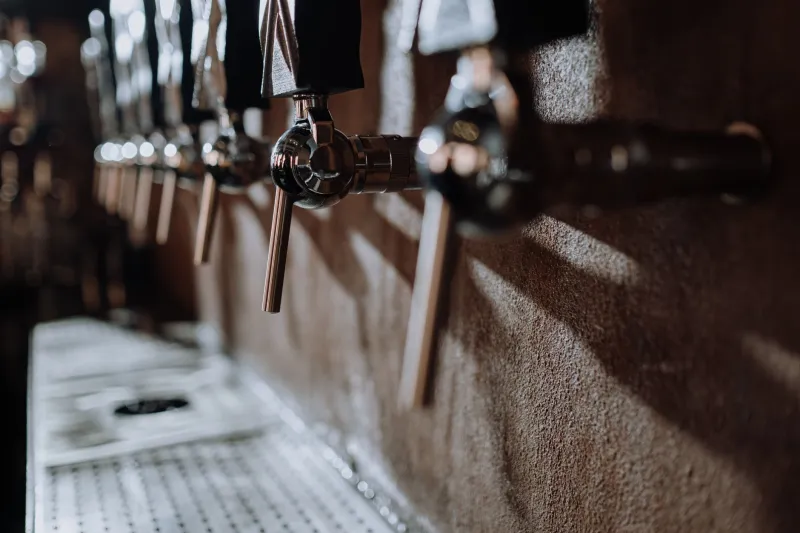
There's a version of the Roaring Fork Valley that runs on ski passes and second homes. Glossy. Seasonal. A little transactional. But walk through the taproom on a Thursday evening and you'll find something harder to package: a room full of people who actually live here, who are building things here, and who will tell you — sometimes unprompted, over a second pint — that watching Roaring Fork Beer Co. pull it off made them believe they could, too.
That's the part nobody planned.
The Brewery as Proof of Concept
When Roaring Fork Beer Co. started pouring in earnest, the conventional wisdom about mountain-town business was pretty grim. Margins were thin, real estate was punishing, and the customer base shrank every time the snow melted. The smart money said go big or go somewhere cheaper.
We didn't do either. We dug in, figured out the altitude, sourced locally wherever we could, and built a taproom that felt like it belonged here. And somewhere along the way, that stubbornness became a signal to other people watching from the sidelines.
"I kept thinking, if they can make craft beer work at 8,000 feet with all those logistical headaches, then maybe my idea isn't as crazy as everyone says," says Dani Kowalski, who launched her small-batch hot sauce company, Ember Ridge Foods, two years ago. She's now one of the rotating vendors whose products sit on the taproom's retail shelf. "Seeing a local brand get real traction gave me a framework. It showed me what community-first marketing actually looks like in practice."
Dani's story isn't unique. Talk to enough valley founders and a pattern emerges: Roaring Fork Beer Co. functioned less like a competitor for foot traffic and more like a proof of concept for the entire idea of building an independent, values-driven business in a mountain community.
The Taproom as Incubator
Part of what makes this dynamic unusual is that it's been almost entirely informal. There's no official accelerator program here, no pitch nights or equity deals. What there is, though, is a physical space where entrepreneurs run into each other constantly.
"The taproom is where I met my first wholesale client, my accountant, and the guy who ended up designing my logo," says Marcus Tran, who runs Summit Provisions, a small outdoor gear and apparel shop that opened on the valley's main corridor last spring. "It's not a coworking space, but it kind of functions like one after 5 p.m."
That informal networking effect is something we've noticed, too. The taproom attracts a cross-section of the valley that's genuinely hard to replicate — locals, seasonal workers, remote professionals, longtime ranching families, and weekend visitors all sharing the same bar rail. For someone trying to understand their potential customer base, that's an invaluable room to be in.
We've tried to lean into it deliberately over time, hosting pop-up markets that give emerging food and goods vendors a low-stakes platform, and partnering with local makers for tap handle collaborations that put their brand in front of our audience. It's not charity — we genuinely love the products — but the side effect is that it lowers the barrier to visibility for businesses that might otherwise struggle to get noticed.
Ripple Effects Down the Valley
The entrepreneurial ecosystem that's grown up around the brewery is more diverse than you might expect. Yes, there are the food vendors and the beverage-adjacent brands. But there's also a climbing gear repair shop whose owner credits his decision to stay in the valley — rather than relocate to Denver — partly to the sense of community he found here. There's a small events company that got its start coordinating brewery pop-ups and now handles corporate retreats across the region. There's even a local podcast that launched specifically to document valley business stories, and whose first episode featured our head brewer talking about sourcing Colorado hops.
"The brewery made the valley feel like a place where creative, independent work was viable," says Lucia Fernández, who co-founded that podcast, Valley Frequency, with a friend she met at a Roaring Fork tap takeover event. "It wasn't just inspirational in some vague way. It was concrete. Here's a business that sources locally, treats its staff well, builds community intentionally, and makes money. That's a model."
Lucia's point about the model matters. A lot of entrepreneurial inspiration is aspirational to the point of uselessness — billion-dollar startups aren't exactly a template for a mountain-town hot sauce company. What Roaring Fork offered was something more grounded: a mid-sized, independent, place-specific business that figured out how to grow without losing what made it worth visiting in the first place.
What We're Actually Building Here
We want to be honest about the limits of our role in all this. We make beer. We run a taproom. We show up to community events and try to be good neighbors. The entrepreneurs who've built businesses in and around this valley did the hard work themselves — the late nights, the cash flow anxiety, the pivots, the grinding.
But we do think there's something real in the idea that anchor businesses shape the economic culture of a place. When one independent, locally rooted business demonstrates that the model is viable, it creates permission for others. It changes the story a community tells about itself.
The Roaring Fork Valley has always had talent and grit. What it sometimes lacked was evidence that betting on this place — really planting your flag here — could pay off. We'd like to think we've contributed a data point or two to that argument.
The Next Round
The businesses that have grown up around and alongside Roaring Fork Beer Co. are starting to create their own gravitational pull. Dani's hot sauce is now in three regional grocery stores. Marcus's gear shop is expanding its repair services. Valley Frequency just hit 10,000 monthly listeners. The ecosystem is becoming self-sustaining in ways that have less and less to do with us.
That's exactly how it should work.
If you're someone sitting on an idea right now — a product, a service, a creative venture that you keep talking yourself out of because the valley seems too small or too seasonal or too risky — come have a beer. Seriously. The taproom is full of people who felt exactly the same way and decided to build anyway.
The water's fine. The altitude's manageable. And the community, it turns out, was waiting for you.